My Experience with Motorized Rolling Shutters – Why I Switched and What I Learned
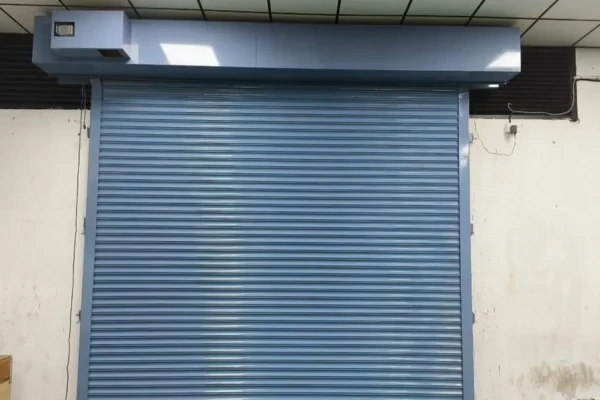
For a long time, I was using regular manual rolling shutters for my shop and storage area. They did the job, but anyone who has used heavy shutters knows the pain — pulling them up every morning, dragging them down at night, worrying about locks, noise, and uneven movement. That’s when I finally decided to switch to motorized rolling shutters, and honestly, it has been one of the most practical upgrades I’ve made.
The first thing I noticed after installation was convenience. With a motorized shutter, there is no physical effort required. A simple key switch or remote control opens and closes the shutter smoothly. For me, this really mattered because the shutter is fairly large and used multiple times a day. Now even my staff can operate it easily without any strain.
Another major advantage is security. Motorized rolling shutters generally come with stronger locking systems, automatic locking, or centralized control. When the shutter is fully closed, it sits tightly in place, making forced opening difficult. I personally feel more relaxed closing the shop at night now because I don’t have to worry about whether the lock is tight enough or if someone might tamper with it.
I also underestimated how much difference noise and vibration make. My manual shutter used to make a lot of sound while opening and closing, especially early morning — definitely not neighbor-friendly. The motorized one is much quieter and smoother. This matters more than you realize until you experience it.
From a practical side, motorized rolling shutters are available for shops, homes, warehouses, and industrial spaces. You can get them in:
-
aluminum
-
galvanized steel
-
insulated designs
-
see-through perforated profiles
So they don’t just look modern, they can also help with temperature insulation and energy saving, especially in closed storage areas.
If anyone is comparing options or checking motorized rolling shutters in India, a few things I learned during my research:
-
check motor capacity as per shutter size
-
look for after-sales service availability
-
remote vs. switch operation — choose what suits you
-
ask about manual override (important during power cuts)
-
compare warranty and repair cost
-
don’t judge only by price — installation quality matters more
Price varies based on size, material, motor brand, and customization, so there is no single fixed rate. But I personally feel the extra cost is justified because of saved time, reduced effort, and added security.
During my search, I also came across companies like Cronax Industries, which deal in industrial shutters and door automation solutions. I’m mentioning this as part of my research experience — it helped me understand the technical side better and compare different options before purchasing.
Overall, my takeaway is simple:
If your shutter is used daily, is heavy, or is installed at a commercial/industrial site, then motorized rolling shutters are genuinely worth it. They add convenience, safety, and a bit of modernity — and once you get used to pressing a button instead of pulling a shutter, it’s hard to go back to the manual system.


%20(1).png)
Comments
Post a Comment